


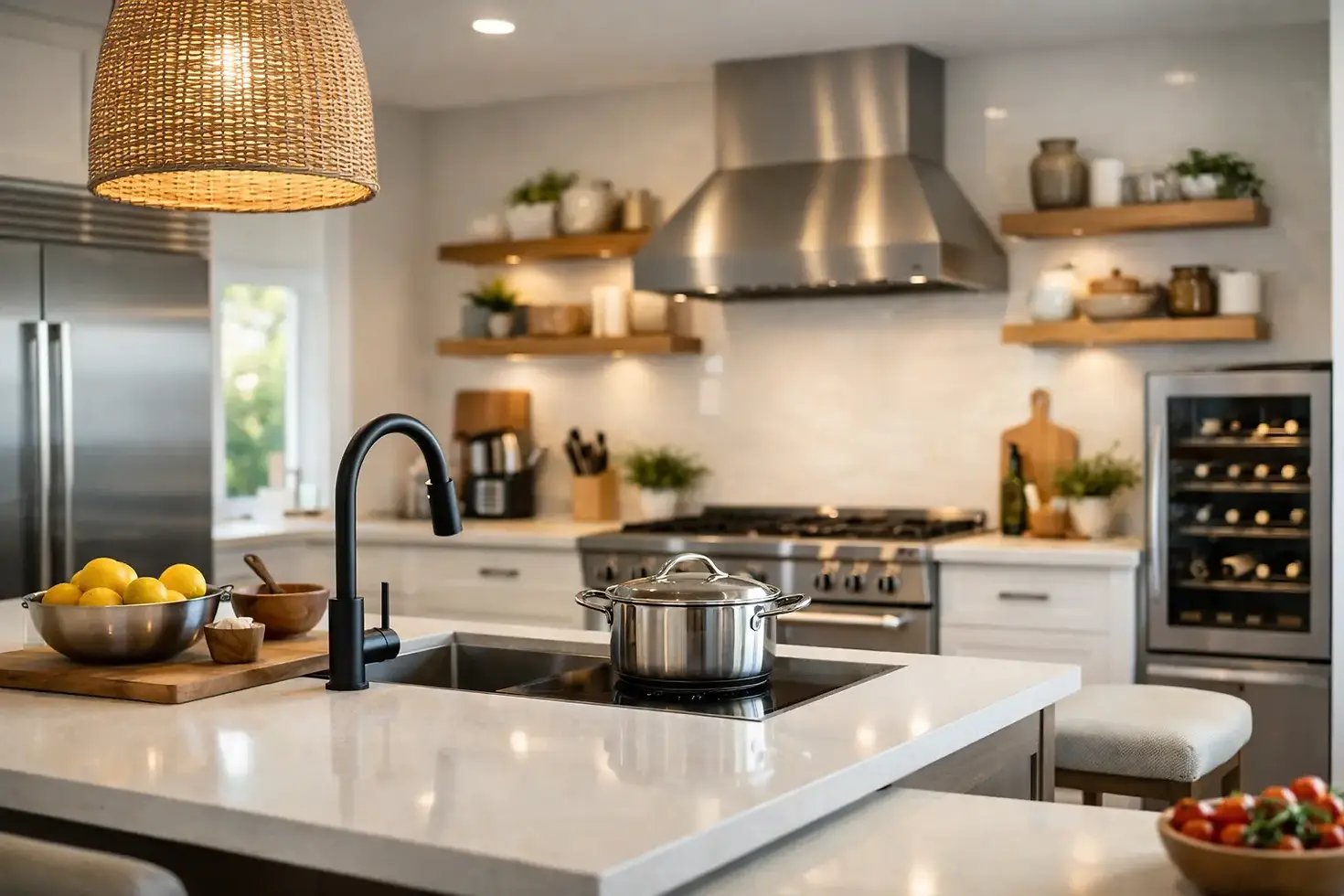
Best Kitchen Remodel Upgrades for Daily Living
- northerndetailstim
- 4 days ago
- 5 min read
A kitchen can look clean and updated yet still make every meal harder than it needs to be. The best kitchen remodel upgrades solve the daily frustrations homeowners actually feel: crowded prep space, dim counters, overflowing cabinets, awkward traffic patterns, and finishes that cannot keep up with family life. For a remodel that feels worthwhile years from now, start with the improvements that make the room work better, not just look newer.
Start With How Your Kitchen Is Used
Before selecting cabinets or countertop samples, consider what happens in your kitchen on a normal weekday. Is one person cooking while children do homework at the island? Do guests gather near the refrigerator? Are small appliances taking over every available counter? Those answers should shape the plan.
A beautiful kitchen that lacks a clear prep zone or enough storage can become a disappointment quickly. On the other hand, a modestly sized kitchen with an efficient layout, durable materials, and thoughtful details can make the entire home feel more comfortable. A contractor should help you weigh those choices early, with a clear scope of work and a realistic budget.
Best Kitchen Remodel Upgrades That Add Everyday Value
Improve the layout before adding finishes
Layout changes are often the most meaningful upgrade because they affect every task in the room. Moving a wall, widening an opening, relocating an island, or adjusting appliance placement can create better circulation and more useful work zones. The goal is not always an open-concept kitchen. It is a kitchen where people can move safely without constantly crossing paths.
Keep the refrigerator, sink, cooktop, and main prep area within a practical distance of one another. In a smaller kitchen, a galley layout may be the smartest use of space. In a larger room, an island can add seating and prep space, but only if there is enough clearance around it. An oversized island can make a kitchen feel tighter, not more luxurious.
Add storage that fits the way you cook
More cabinets are helpful, but better cabinet organization is usually the bigger win. Deep drawers make pots, pans, and dishes easier to reach than lower cabinets with fixed shelves. Pullout trays reduce wasted space in deep cabinets. A narrow pullout beside the range can keep cooking oils and spices close at hand without cluttering the countertop.
Consider a dedicated drawer for trash and recycling, vertical storage for baking sheets, and a pantry solution that matches your household's grocery habits. If you buy in bulk, a tall pantry cabinet may matter more than additional upper cabinets. If you prefer a clean, open counter, appliance garages or a designated beverage station can keep coffee makers and toasters accessible but out of sight.
Choose durable countertops and a practical backsplash
Countertops take a lot of abuse, especially in busy family kitchens. Quartz is a popular choice because it offers a consistent appearance and requires less routine maintenance than natural stone. Granite can provide a unique, natural look and strong durability, though it may need periodic sealing. Butcher block brings warmth to a kitchen but needs more care around water and food prep areas.
There is no single right material. The best choice depends on your budget, cooking habits, and tolerance for maintenance. A backsplash is also more than a decorative finishing touch. Extending it to the bottom of upper cabinets or higher behind the range can make cleanup easier while giving the kitchen a more finished look. Choose a tile and grout color that will suit your real cleaning routine, not just a showroom display.
Upgrade task lighting, not just overhead fixtures
One central ceiling light rarely provides enough light for chopping, reading recipes, or cleaning counters. A well-planned lighting design uses layers: general room lighting, focused task lighting, and decorative fixtures where they make sense.
Under-cabinet lighting is one of the most effective upgrades for daily use. It brightens work surfaces without creating shadows from overhead cabinets. Recessed lights can provide even coverage across the room, while pendants over an island add visual interest and define the space. Dimmers are a small addition that make a noticeable difference, allowing the kitchen to shift from bright meal prep to a calmer evening setting.
Select appliances for function and fit
New appliances can modernize a kitchen, but size and placement matter as much as features. Measure carefully and plan cabinet dimensions around the exact appliance models whenever possible. A refrigerator that extends too far into a walkway or a dishwasher that blocks a key passage when open can create lasting frustration.
For many households, practical features deliver more value than premium extras. A quiet dishwasher, a range with reliable ventilation, and a refrigerator with storage that suits your family may be more useful than a long list of smart functions. If cooking odors, humidity, or grease are concerns, do not treat the range hood as an afterthought. Proper ventilation protects surrounding finishes and improves comfort while cooking.
Build in electrical upgrades where you need them
Kitchen remodeling is an ideal time to add outlets in the places that make daily life easier. Consider outlets at the island, inside a pantry for charging small appliances, or in a drawer for phones and tablets. Pop-up or hidden outlets can preserve a clean look, though they need to be selected and installed carefully for the intended location.
Also think about future needs. Dedicated circuits for new appliances, updated GFCI protection, and sufficient power for a microwave drawer or beverage refrigerator should be addressed during planning. These are not the most visible improvements, but they are much easier to handle while walls and cabinets are open.
Put the Budget Where It Will Last
A kitchen remodel is a series of trade-offs. It may be tempting to spend heavily on a statement light fixture or a specialty tile, but foundational work deserves priority. Quality cabinet installation, durable surfaces, reliable plumbing, correct electrical work, and proper ventilation are the parts of the project that support everything else.
That does not mean every finish must be high-end. You can often balance the budget by choosing a simpler cabinet door style, limiting premium tile to a focal area, or keeping existing plumbing locations when they already work well. Moving a sink or gas line may be worth it when it solves a serious layout problem, but it should be an intentional decision with clear costs attached.
Ask for a detailed scope before work begins. Homeowners should understand what is included, what materials are being used, how changes will be handled, and what the project timeline looks like. Clear communication protects the budget and makes the remodeling process far less stressful.
Plan for a Kitchen That Still Works in Five Years
Trends can provide inspiration, but the strongest kitchen designs are not built around a single moment. Neutral, durable base materials give you flexibility, while paint, hardware, lighting, and bar stools can bring in personality and be changed more easily later.
Think beyond resale value, too. If you plan to stay in your home, invest in the details that improve your own routines. Wider walkways, easy-to-reach storage, better lighting, and materials you are comfortable maintaining will matter long after the novelty of a new kitchen wears off.
For homeowners in Summerville and surrounding communities, Northern Details approaches kitchen remodeling with the same focus: quality work, clear communication, and details that support the way your home is lived in. The right upgrades should leave you with more than a polished room. They should make an ordinary Tuesday dinner easier, calmer, and more enjoyable.


Comments