


Home Improvement Contractor vs General Contractor
- northerndetailstim
- May 5
- 6 min read
If you are planning a remodel, addition, or repair, the question of home improvement contractor vs general contractor usually comes up earlier than most homeowners expect. It matters because the right fit can shape everything from communication and scheduling to budget control and the quality of the finished work. The terms are sometimes used interchangeably, but they do not always mean the same thing in practice.
For homeowners in Summerville and across South Carolina, the better question is not just what each title means. It is which type of contractor is best suited to your specific project, your expectations, and the level of support you want throughout the job. A kitchen refresh, a bathroom remodel, and a whole-home renovation may all require different levels of planning, trade coordination, and project oversight.
Home improvement contractor vs general contractor: what is the difference?
A home improvement contractor usually focuses on residential updates, repairs, and remodeling work that improves how a home looks, functions, or feels. That can include projects like flooring, trim work, drywall, painting, bathroom updates, kitchen improvements, deck repairs, and other improvement-focused services. In many cases, this type of contractor works directly with homeowners and builds the experience around clear communication, daily livability, and finished details.
A general contractor typically takes a broader role. General contractors often oversee larger construction or renovation projects and manage multiple moving parts, including subcontractors, scheduling, permits, materials, and inspections. They may work on residential jobs, commercial projects, or both, depending on their license and business model.
The overlap is where things get confusing. Some general contractors also specialize in home improvement work. Some home improvement contractors are licensed to manage broader remodeling projects. That is why the label alone does not tell you everything. You need to look at the company’s actual scope of work, licensing, project experience, and how they manage clients from start to finish.
When a home improvement contractor makes sense
If your project is centered on updating an existing space rather than building from the ground up, a home improvement contractor may be the better fit. This is especially true when the work requires craftsmanship, thoughtful finishing, and a contractor who understands how to work carefully in an occupied home.
Many homeowners are not just hiring for labor. They are hiring for peace of mind. A home improvement project often happens in the middle of normal life. Kids still need to get to school. Pets still need to be managed. You still want your home treated with care. Contractors who focus on residential improvements tend to understand that part of the job better because it is built into the way they operate.
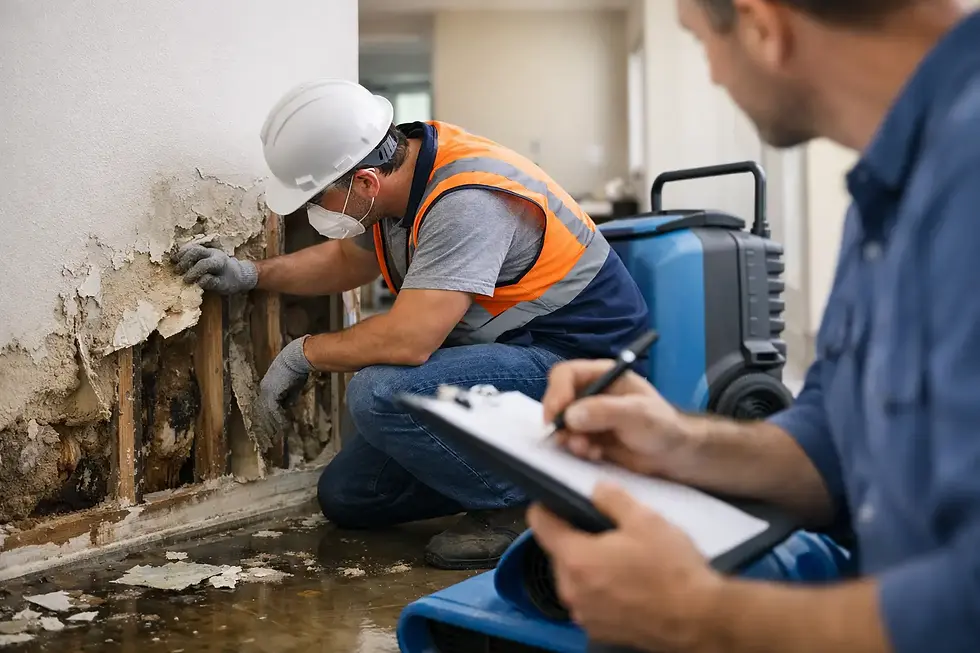
This can be a strong match for projects like a bathroom remodel, interior updates, finish carpentry, drywall repair after water damage, or a collection of smaller improvements that need to be handled professionally and in the right order. In those situations, attention to detail and consistent communication often matter just as much as raw construction capacity.
When a general contractor is the better choice
A general contractor is often the right choice when your project is larger, more complex, or involves major structural work. If you are building an addition, changing a floor plan, moving plumbing or electrical systems in a significant way, or coordinating many specialized trades under one timeline, a general contractor may be necessary.
These projects usually involve more than craftsmanship alone. They require management. Someone has to coordinate the electrician, plumber, framer, drywall crew, inspections, and delivery schedules while keeping the project on track. A strong general contractor handles that responsibility and serves as the central point of accountability.
This is where homeowners should be realistic about project complexity. A job that seems simple on paper can become more involved once walls are opened or permits are required. The right contractor will explain that early, not after the budget and schedule have already drifted.
The real issue is scope, not just title
The most practical way to compare a home improvement contractor vs general contractor is to think in terms of scope. How much work is being done? How many trades are involved? Does the project need permits? Will the contractor be managing other crews? Is there structural work, code compliance, or inspection scheduling involved?
If the scope is limited and improvement-driven, a home improvement contractor may be exactly what you need. If the scope expands into full project management, complex sequencing, and major renovation oversight, a general contractor may be the safer option.
Still, there is no hard line that applies to every project. A well-qualified residential contractor may handle both types of work depending on licensing, experience, and the structure of the company. That is why homeowners should avoid making a decision based on the title alone.
What to ask before you hire either one
The best hiring decisions come from asking practical questions. Start with experience. Ask what kinds of projects the contractor handles most often, and how close those jobs are to yours. A contractor who mainly builds new structures may not be the best fit for a detail-heavy remodel inside a lived-in home. On the other hand, a contractor who handles cosmetic updates may not be equipped for a major structural renovation.
Licensing and insurance should also be confirmed upfront. That protects you, your property, and the project. Beyond that, ask how the work will be managed day to day. Who is your main point of contact? How often will you get updates? Who is scheduling subcontractors and making sure work is completed correctly?
These questions matter because many homeowner frustrations are not caused by the final workmanship alone. They come from missed calls, unclear timelines, surprise costs, and a feeling that no one is truly managing the process. A contractor’s communication style tells you a lot about what the experience will feel like once the project starts.
Why customer experience matters in remodeling
Homeowners often focus on estimates first, and that is understandable. Budget matters. But the lowest number on paper does not always lead to the best result. If the contractor is hard to reach, vague about process, or inconsistent during the estimate stage, those problems usually get worse after work begins.
A good contractor brings more than tools and trade knowledge. They bring organization, professionalism, and a clear plan for handling your home with respect. That is especially important in remodeling, where the work can affect your routine, your privacy, and your stress level for days or weeks at a time.
This is one reason many homeowners prefer a company that treats communication as part of the service, not an afterthought. At Northern Details, that customer-first approach is part of what makes the contractor experience feel more manageable for families who want quality work without unnecessary headaches.
Red flags homeowners should not ignore
If a contractor is unclear about what they do, that should give you pause. The same applies if they cannot explain whether your project needs permits, how scheduling will work, or who will actually be on site. Vague answers early on often lead to bigger problems later.
Another red flag is a proposal that lacks detail. You should understand what is included, what materials are being used, what assumptions are built into the price, and what might trigger a change order. Transparency does not guarantee a perfect project, but it gives everyone a much better starting point.
It also helps to pay attention to whether the contractor listens. Homeowners know their goals, concerns, and priorities better than anyone. A good contractor brings expertise to the table, but they should also be responsive and willing to explain options in plain language.
Choosing the right fit for your home project
When homeowners compare a home improvement contractor vs general contractor, they are really trying to avoid one mistake: hiring someone who is wrong for the job. The best choice depends on the type of work, the level of complexity, and the kind of experience you want throughout the process.
If your project is focused on improving an existing space and you want strong craftsmanship, responsive service, and careful attention to detail, a home improvement contractor may be the right path. If your job involves major structural work, multiple trades, and broad project coordination, a general contractor may be the better fit.
Either way, the right contractor should make the process feel clear from the beginning. You should know what is happening, what it will cost, and who is responsible at every stage. When that part is handled well, the project tends to go better for everyone involved.
Your home deserves more than a contractor with the right title. It deserves one with the right experience, the right standards, and the kind of communication that helps you feel confident before the first day of work even starts.


Comments